Danube Day: A celebration of the river that connects cities, countries, and people
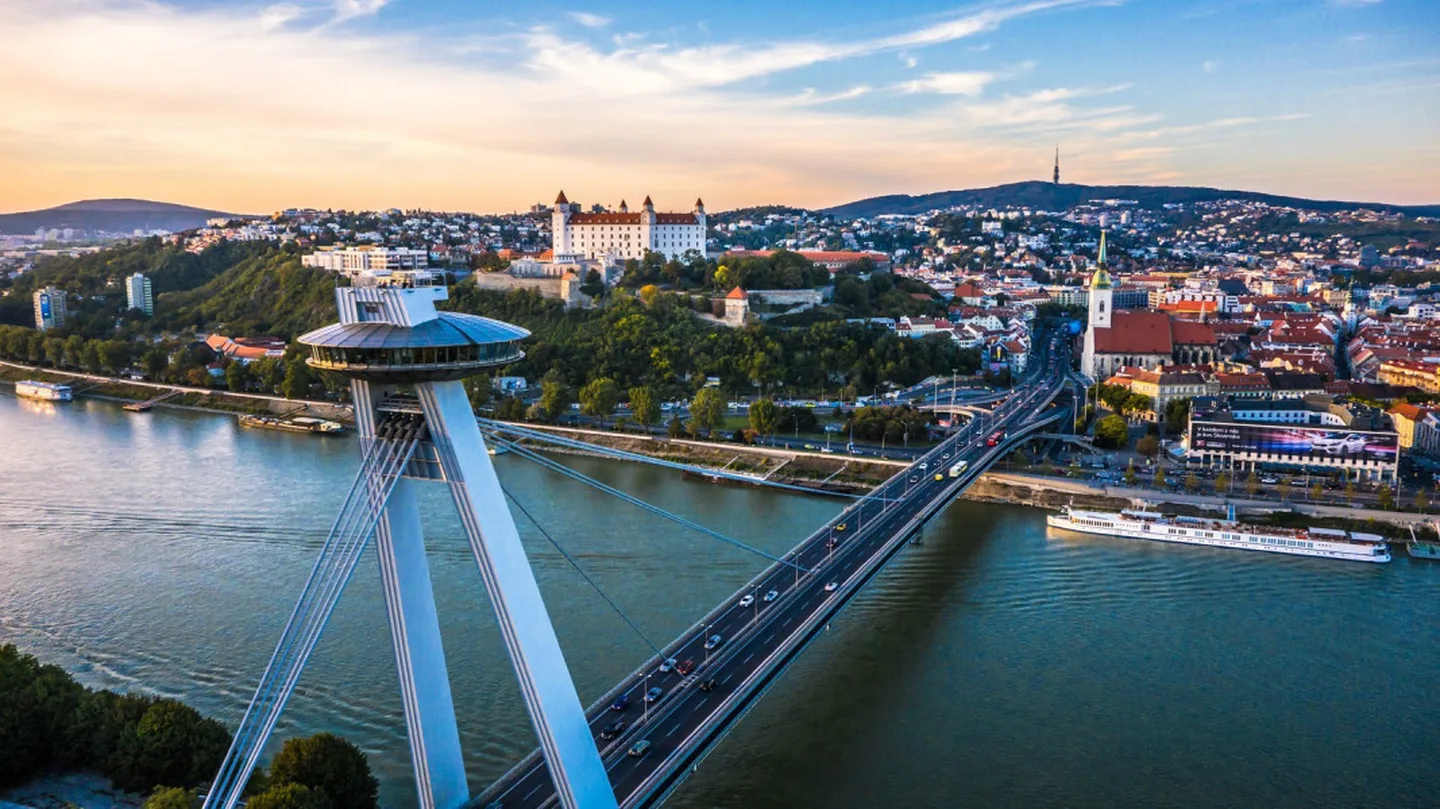
Every year at the end of June – 29 June – we celebrate Danube Day, dedicated to the second-longest river in Europe, which has shaped the lives of millions of people for centuries. The Danube is not only an important waterway but also a symbol of the connection between cultures, history, nature, and modern life.
For Bratislava, the Danube is much more than just a river flowing through the city. It is the city's heart, its defining landmark, and an inseparable part of everyday life. Danube Day is therefore the perfect opportunity to remember the exceptional role this majestic river plays in our city and in our lives.
The River That Connects Europe
The Danube rises in Germany and, over the course of its journey of more than 2,800 kilometres, flows through or forms the border of ten countries. No other river in the world passes through as many nations.
For centuries, the Danube served as a major trade route, a source of livelihood, and a meeting place for different cultures and peoples. Today, it is a symbol of international cooperation and one of Europe's most valuable natural treasures.
That is precisely why Danube Day was established – to raise awareness of the river's importance, promote the protection of its unique ecosystem, and remind us of the value of water for future generations.
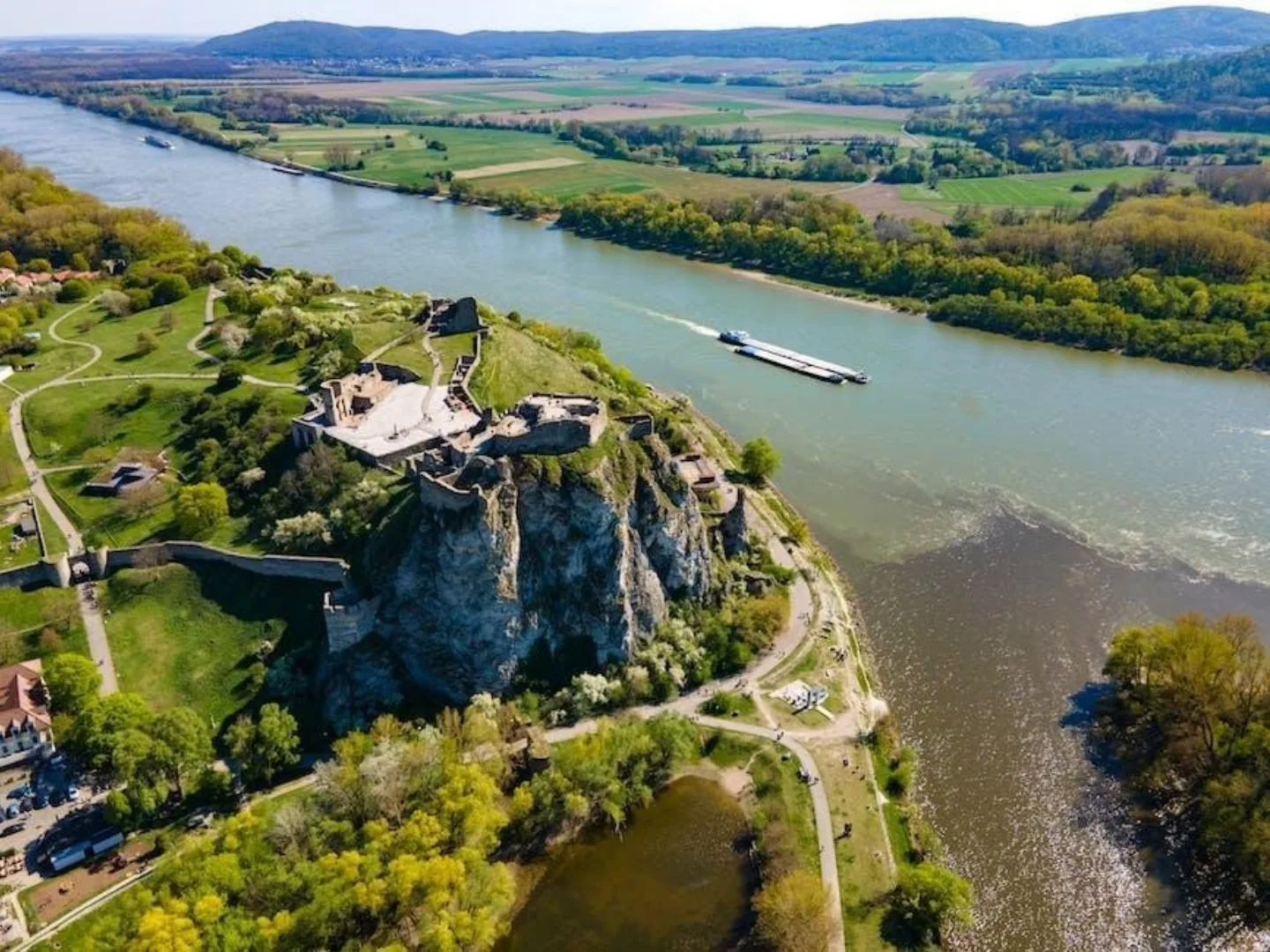
Bratislava and the Danube – A Story That Has Lasted for Centuries
Few European capitals are as closely connected to a river as Bratislava is to the Danube. For centuries, the Danube has shaped the city's history, trade, architecture, and the everyday lives of its people.
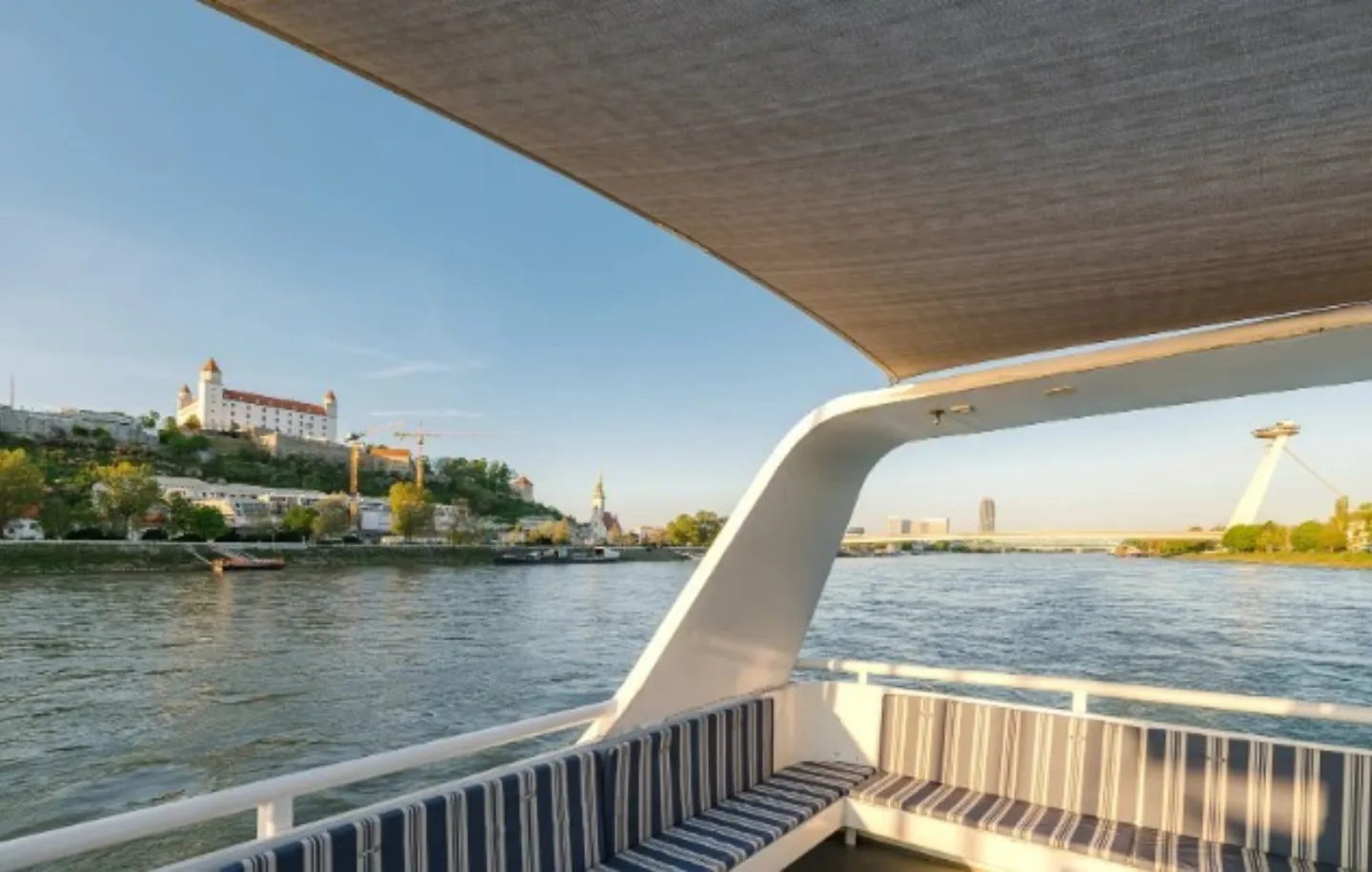
Important districts have grown along its banks, the bridges connecting both sides of the river have become iconic landmarks, and the view of Bratislava Castle reflected in the waters of the Danube is considered one of the most beautiful panoramas in Central Europe.
The Danube is a place for relaxation, sport, culture, and tourism. Every day, it creates new stories for those who sail along its waters, stroll along its riverbanks, or simply enjoy its unique atmosphere.
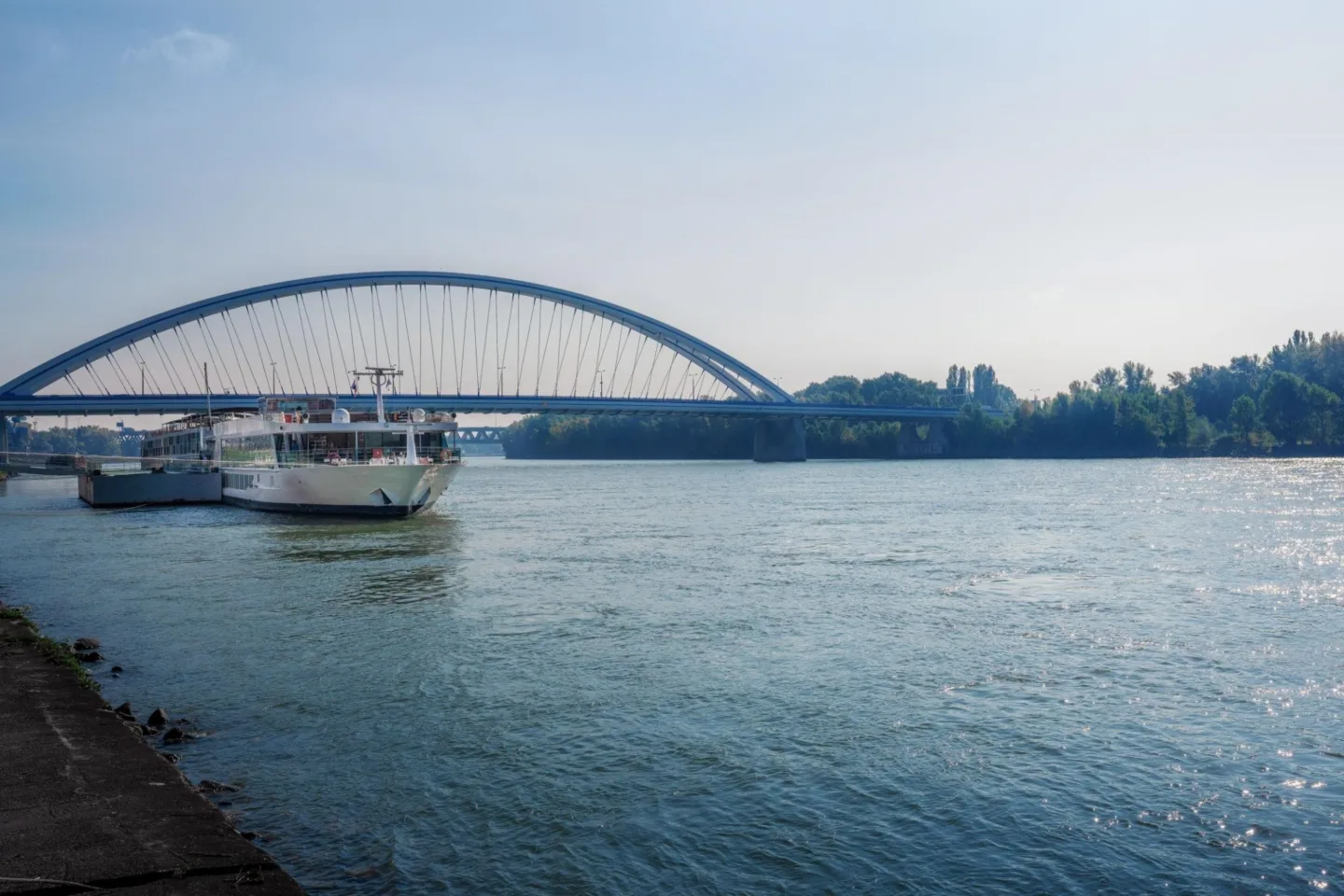
The Best Way to Experience the Danube? From the Water
Although the Danube is admired from the riverfront, the city's bridges, and the castle hill, its true beauty can only be fully appreciated from the deck of a boat.
As you cruise along the river, Bratislava reveals itself from an entirely new perspective. The historic city centre, the majestic Bratislava Castle, the iconic SNP Bridge with its distinctive UFO Tower, the modern skyline, and the lush green riverbanks all take on a whole new dimension.
Every cruise offers a unique view of the city and a chance to slow down in today's fast-paced world. That is why sightseeing cruises on the Danube are among the most popular experiences for both local residents and visitors from around the world.
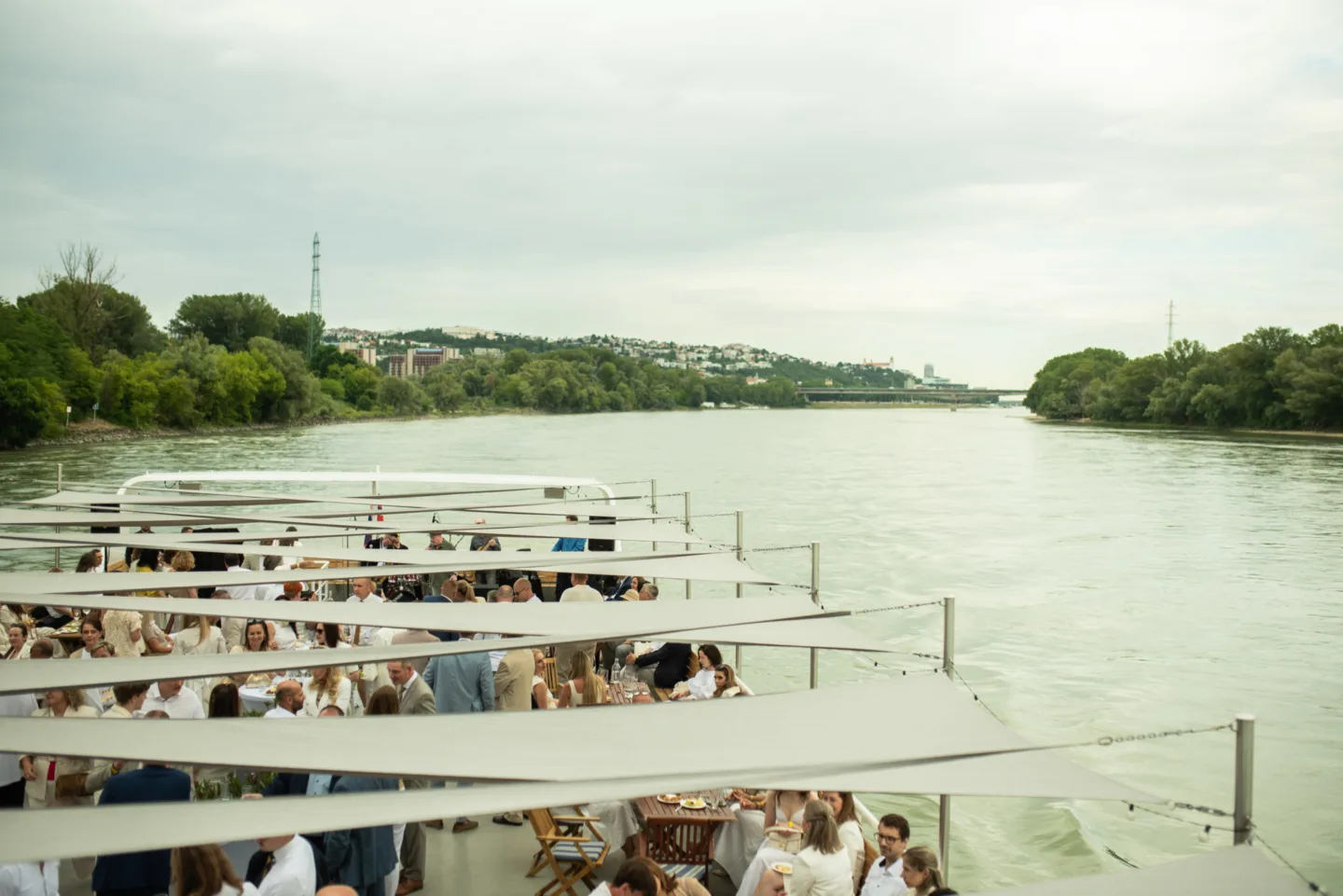
The Danube – A Place of Unforgettable Experiences
The Danube is much more than a major waterway or a remarkable natural landmark. It is a place where lasting memories are made.
Romantic evening cruises at sunset, family trips to Devín Castle, themed gourmet cruises, corporate events, and celebrations of life's special moments all have one thing in common – the unique atmosphere that only a river can create.
Every year, the Danube welcomes thousands of passengers who choose to discover Bratislava from a new perspective and enjoy moments of relaxation on the water.
Celebrate Danube Day on Board
On Danube Day, we celebrate one of Europe's greatest natural treasures – a river that has connected countries, cultures, and people for centuries. It continues to bring together families, friends, visitors to Bratislava, and everyone who shares a love for life on the water.
Celebrate Danube Day in the most memorable way – with a cruise along its waters. Discover the beauty of Bratislava, enjoy the peaceful atmosphere of the river, and experience a view of the city unlike any other.
The Danube is more than just a river. It's an experience.
And the best way to experience it is from the deck of a boat.
5 Interesting Facts About the Danube
- The Danube flows through or forms the border of 10 countries, making it the most international river in the world. Along its course, it connects Germany, Austria, Slovakia, Hungary, Croatia, Serbia, Romania, Bulgaria, Moldova, and Ukraine.
- Bratislava is one of the few capital cities in the world through which a major international river flows. The Danube has been an inseparable part of the city's identity for more than a thousand years.
- Four European capital cities are located on the Danube – Vienna, Bratislava, Budapest, and Belgrade. No other river in Europe connects as many capital cities.
- The Danube Delta is one of Europe's best-preserved natural areas and is listed as a UNESCO World Heritage Site. It is home to more than 300 species of birds and thousands of species of plants and animals.
- The most breathtaking views of Bratislava are experienced from the waters of the Danube. Bratislava Castle, the iconic SNP Bridge, the modern skyline, and the new Vydrica waterfront create a panorama that simply cannot be experienced from the city's streets.
From the History of the Danube: Fascinating Facts You May Not Know
- The Danube once formed the northern frontier of the Roman Empire. More than 2,000 years ago, it served as a natural border between the Roman Empire and the territories of northern Europe. Military camps, fortresses, and trading settlements were established along its banks, and many of their remains can still be seen today.
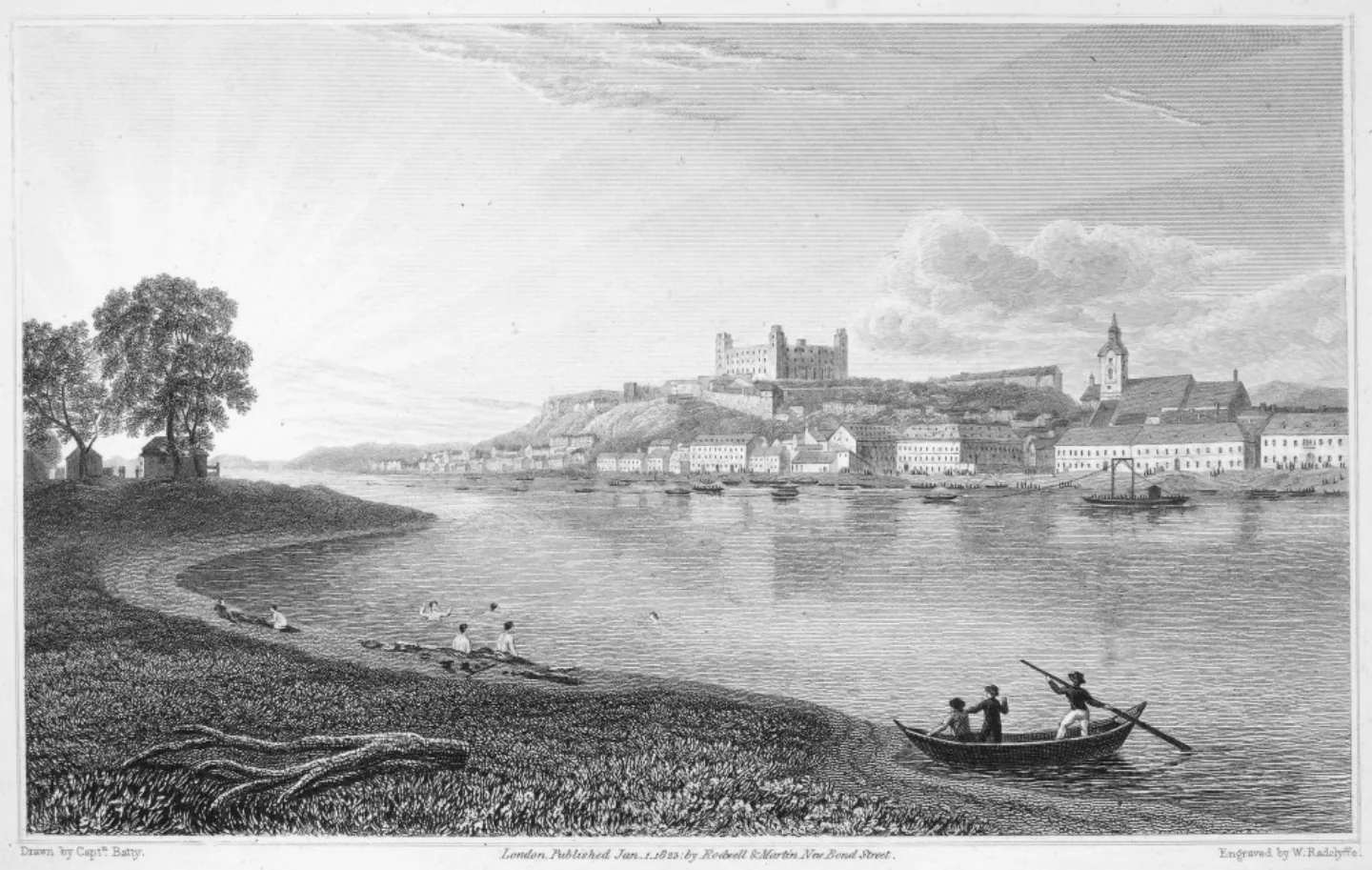
- Bratislava was already an important Danube port during the Middle Ages. Merchants transported wine, salt, grain, timber, and luxury goods from across Europe along the river. Long before the arrival of the railways, the Danube was the region's main commercial artery.
- The coronation processions of the Kings of Hungary travelled along the Danube. When Bratislava served as the Coronation City of the Kingdom of Hungary, the river played a vital role in transporting royalty, noblemen, diplomats, and distinguished guests.
- The first steamships appeared on the Danube in the early 19th century. They dramatically accelerated travel between cities and revolutionized river transportation. The Danube became one of the first European rivers to develop extensive regular passenger services.
- Several of Bratislava's bridges were destroyed during the Second World War. The city's present-day riverfront and bridges are the result of extensive post-war reconstruction. Modern landmarks such as the SNP Bridge and Apollo Bridge represent a new chapter in the story of the Danube.
- The Danube inspired one of the world's most famous musical compositions. Austrian composer Johann Strauss II dedicated his celebrated waltz "The Blue Danube" to the river, and it has since become one of the most recognizable pieces of classical music ever written.
- The Danube was once far wilder than it is today. Before its course was regulated, the river frequently changed its channel, created new branches, and caused extensive flooding. Many of the side arms of the Danube around Bratislava are remnants of this original, untamed river landscape.